
Paripesa & Monnify Deposit Fees Explained
Discover how Paripesa and Monnify deposit fees affect your ₦wallet 💸, learn ways to avoid extra charges, and manage your funds better on these Nigerian platforms 📲.
Edited By
Olusola Adebayo
Depositing funds into a Paripesa account via bank transfers is common among Nigerian bettors, but many overlook the fees involved. Banks usually charge transaction fees that can eat into your betting budget, especially when making frequent deposits. Understanding these fees helps you plan better and avoid losing extra naira unnecessarily.
Typically, Nigerian banks set transfer fees based on the amount sent. For local transfers within the same bank, charges can be as low as ₦2 to ₦10 for amounts under ₦10,000. However, interbank transfers — moving money from one bank to another — attract higher fees, commonly between ₦25 and ₦65 per transaction.
Most Paripesa users fund their wallets through interbank transfers, so knowing the exact fees helps in managing betting expenses efficiently.
Fees depend heavily on the bank’s policies. For example, GTBank and Zenith Bank usually have fixed charges for mobile app transfers, whereas First Bank and Access Bank might charge a percentage of the amount, especially for higher sums.
Here are some key factors influencing your deposit fees:
Bank type and transfer method: Using USSD codes or mobile apps tends to be cheaper compared to POS terminals or over-the-counter payments.
Transfer amount: Some banks apply tiered fees; higher deposits may attract steeper charges.
Network charges: Sometimes, telecom data costs or unstable networks can delay transfers, potentially incurring additional bank follow-up fees.
To keep costs low, consider these tips:
Use your bank’s mobile app or internet banking for transfers to Paripesa, as these channels usually charge less.
Avoid multiple small transfers; consolidate your deposit into fewer, larger transactions where fees may be relatively lower.
Monitor bank announcements for updated fee structures since Central Bank of Nigeria (CBN) policies can influence charges.
In summary, knowing Paripesa bank transfer deposit fees lets you budget your betting funds sensibly and avoid unnecessary spending on transaction costs. Managing your payment method and transfer size is key to reducing fees while funding your Paripesa wallet efficiently.
Bank transfers are one of the most convenient ways for Paripesa users in Nigeria to fund their betting accounts. Understanding how these deposits work helps users avoid delays and unnecessary fees while ensuring their funds reflect promptly for betting activities. Given the variety of banks, transfer methods, and fees involved, knowing the process is crucial for anyone serious about managing their Paripesa wallet efficiently.
Before making any deposits, users need to ensure their bank account is verified or linked to their Paripesa account. This step acts as a security check, preventing fraud and unauthorised access. To link, users usually enter their bank details within the Paripesa platform or provide this information once during registration. For instance, a user with GTBank can enter their account number and bank name, which Paripesa then verifies.
Linking also helps in faster identification of deposits and reduces errors from incorrect account details. While some users may opt for third-party transfers without linking, it's generally safer and more reliable to complete this step.
Once the bank account is linked, depositing funds is straightforward. First, the user logs into their bank’s app or portal, such as Zenith Bank’s internet banking service or the USSD code (*966#) for Access Bank. Next, they initiate a transfer to the unique Paripesa bank account number provided to them within the platform.
Users must enter the correct beneficiary details and specify the amount. For example, to fund a Paripesa wallet with ₦5,000, the transfer amount must reflect exactly at the point of transfer. After confirming the details, the user completes the transaction. It’s advisable to keep the transaction receipt or screenshot in case of disputes or confirmation delays.
Most bank transfers to Paripesa fund the account within minutes, especially when done during banking hours (8 am to 4 pm on weekdays). However, timing can vary depending on the bank and the transfer method used. For example, transfers via internet banking often reflect immediately, while some transfers made through USSD may take a little longer.
Paripesa usually sends instant notifications or updates within the user’s account dashboard once the deposit clears. Users should check the transaction history regularly, especially during peak ember months when banks are busier. If a deposit doesn’t show up within 30 minutes, it’s recommended to contact Paripesa customer support or the bank involved.
Always double-check the account number and transfer amount before completing your deposit to avoid delays and fee losses.
Understanding this workflow makes funding Paripesa accounts less stressful and more predictable, allowing users to focus on their betting strategies rather than worrying about where their money is.
When depositing funds into your Paripesa account via bank transfer, knowing what fees to expect can save you unexpected deductions and help you plan better. These charges vary depending on the banks involved and the method used for the transfer. For instance, sending a ₦10,000 transfer may cost around ₦50 with one bank but ₦100 with another. Understanding these nuances allows you to pick the most cost-effective option.
Banks typically charge two main types of fees for transfers: flat fees and percentage-based fees. Flat fees are fixed amounts regardless of how much you send. For example, a bank might charge ₦50 for any transfer between ₦1,000 and ₦100,000. On the other hand, percentage-based fees mean the cost scales with the amount transferred, such as 0.3% of the amount sent. This means transferring ₦50,000 would attract a ₦150 fee.
For Paripesa deposits, flat fees could be more predictable, but if you deposit large sums, percentage-based fees might add up quickly. So, consider your typical deposit size when deciding which bank or transfer method to use.
Most banks set a minimum fee below which they do not charge, commonly around ₦20-₦50. They also impose maximum fee caps to avoid excessive charges on large transactions. For example, a bank could charge 1% of a transfer amount but not exceed ₦1,000. This means depositing ₦200,000 would cost ₦1,000 instead of ₦2,000 if the percentage were applied strictly.
These limits can be a relief when funding your Paripesa account with sizable sums, ensuring you won’t pay disproportionately high fees. However, small deposits might still attract the minimum fixed fees.
Not all Nigerian banks apply the same fee structure. GTBank, Zenith Bank, Access Bank, and First Bank each have their unique schedules and caps. Zenith Bank, for example, charges about ₦50 for transfers under ₦10,000, whereas GTBank might charge ₦20 for the same amount. These differences affect how much you lose to fees when topping up your Paripesa wallet.
It pays to compare charges, especially if you often transfer funds. Sometimes, choosing a bank with a moderate fee but faster confirmation time gives better value.
The transfer method also influences fees. USSD transfers—those made by dialling codes like *899#—usually incur higher costs than transfers through mobile apps or internet banking. ₦100 is not uncommon for a USSD transfer under ₦10,000, whereas mobile apps might charge ₦20–₦50 for the same.
Besides, internet banking and mobile apps often give you better control and faster confirmations when funding your Paripesa account. This difference is crucial if you want to avoid delays during busy betting periods or ember months.
Being aware of fee variations between platforms and banks helps you save money and ensures timely credit of your deposit into Paripesa.
Choosing the right combination of bank and transfer method based on these fee structures can really keep your betting wallet topped up efficiently without losing too much to charges.
Understanding the key factors that influence deposit fees when funding your Paripesa account via bank transfer is essential. These factors impact how much you end up paying beyond the amount you intend to deposit, so knowing them can save you unnecessary costs. Whether you’re a frequent bettor or a casual user, an awareness of these elements helps in planning your transfers efficiently.
The size of your transaction plays a significant role in determining the fee. Most Nigerian banks apply either a flat fee or a percentage-based charge on transfers but often combine these approaches depending on the amount. For instance, a transfer of ₦2,000 might attract a flat fee of ₦50, while sending ₦50,000 could incur a 1.5% charge, which is ₦750. Many banks cap the fees to protect users from exorbitant charges on very large amounts. Knowing this helps you decide whether to make a single large deposit or spread it across smaller transactions.
Besides banks, some fintech platforms adopt similar fee scaling, which could be cheaper or more expensive compared to traditional banks. Always check fee structures before committing, as some providers waive or reduce fees for amounts above certain thresholds.
Transferring funds directly from your bank account to Paripesa is the most straightforward route, but it often comes with higher fees, especially if your bank doesn’t have a partnership with Paripesa’s payment processors. On the other hand, wallet-to-wallet transfers — using digital wallets like OPay or PalmPay — tend to be cheaper or sometimes free. This is because these wallets work within their ecosystems to incentivise transactions, subsidising cost to attract more users.
For example, instead of sending ₦20,000 directly via bank transfer, funding your wallet first through a lower-fee method and then transferring to Paripesa could save you ₦100-₦200 per deposit. However, remember to check wallet transaction limits and fees before choosing this method.
While USSD transfers are convenient and accessible, they usually attract standard bank charges. Mobile banking applications, however, often come with fee discounts or promotions. Some banks offer free transfers through their apps within specific limits or times, so it pays to be well-informed.
Using mobile apps also gives you better control and reduces errors compared to USSD codes, which are prone to s. Accuracy is important to avoid failed or reversed transactions, which can be costly in time and effort.
Always confirm your transfer details before authorising payment. Small mistakes on amount or account number can lead to delays or loss, sometimes incurring extra charges.
Considering the bank and transfer method wisely not only saves money but ensures smooth, timely funding of your Paripesa account for uninterrupted betting action.
Reducing bank transfer fees when funding your Paripesa account can save you significant amounts, especially for users who transact often. These fees, while usually small per transaction, pile up over time and cut into your betting budget. Knowing how to lower or avoid them allows you to stretch your ₦ and place more bets without extra cost. This section highlights practical ways to make your deposits more cost-effective.
Internet banking often charges lower fees compared to USSD transfers. Many Nigerian banks set higher fees or stricter limits on USSD transactions because the code-based method is seen as more prone to errors and fraud. For example, transferring ₦50,000 via USSD might attract a ₦65 fee, while the same amount transferred through the bank's internet portal could be free or cost less.
Also, internet banking apps allow more precise control over transfers, letting you avoid unnecessary extra charges. If you have stable data access, always prefer internet banking to reduce transfer fees. This saves you from repeated small charges over repeated USSD transactions.
Fintech companies like Paystack and OPay offer smooth, low-cost transfer options to top up Paripesa wallets. These platforms aggregate multiple banks and payment gateways, so they negotiate better rates and lower fees. Compared with direct bank transfers, using such services can halve the fee or eliminate it for certain transaction volumes.
Besides, fintech platforms often provide promotions or cashback deals, further reducing your costs. For instance, topping up via OPay could cost as little as ₦10 on a ₦10,000 transfer, whereas banks might charge more. Plus, the convenience of seamless app integration with Paripesa makes funding fast and less stressful.
Banks typically apply fixed fees or percentage charges per transaction. Sending several small amounts instead of one bulk transfer means paying fees multiple times, adding up quickly. By consolidating your deposits into one larger sum, you reduce the number of fees incurred.
For example, instead of sending ₦10,000 five times a week, transferring ₦50,000 once weekly will likely cost less overall. This approach works if you don't need frequent top-ups and prefer managing your betting bankroll in set chunks.
Bank servers and fintech apps get busier during peak periods—around ember months, weekend nights, or major football matches. During these times, transfer queues and delays may increase, sometimes leading to additional network fees or failed transactions.
Scheduling your transfers during off-peak hours—early mornings or midweek midday—tends to ensure smoother processing with fewer extra charges. This can be important for those who want to maximise every kobo from their deposit, especially when placing multiple bets in a day.
Smart money moves around bank transfer fees mean more value for your stake. Using the cheapest transfer routes, timing your deposits well, and avoiding frequent small withdrawals keep your Paripesa wallet topped without losing too much on fees.
By following these practical tips, Nigerian bettors can fund their Paripesa accounts efficiently, keeping as much of their money as possible for the game itself.
When depositing funds into your Paripesa account via bank transfer, it's essential to watch out not just for the obvious transfer fees but also for additional costs and safety factors that might affect your experience. Overlooking these extra charges or security tips can mean losing money or exposing yourself to scams. Understanding these aspects helps you avoid surprises and make smarter financial decisions while funding your Paripesa wallet.
Some banks or payment platforms might apply unofficial or less visible fees beyond the stated bank charges. For example, if you use a fintech app like Paystack or OPay to transfer money to Paripesa, they may impose convenience fees or surge charges during peak periods, especially in the ember months. Similarly, if you fund your Paripesa wallet from a non-bank source such as a payment aggregator or agent network, additional third-party commissions can quietly chip away at your deposit.
A common scenario involves using USSD codes through mobile networks—some network providers occasionally charge service fees on top of the bank transfer fees. Also, where interbank transfers are routed through Nigeria Inter-Bank Settlement System (NIBSS), micro charges from intermediary banks might reduce your net deposit without upfront notice. Always double-check your transaction receipts and account statements for unexpected deductions.
Be wary of fees not explicitly stated before transaction confirmation; they can add up, particularly if you fund your betting wallet frequently.
Before authorising any transfer to Paripesa, confirm the details thoroughly. Mistyping an account number or transfer amount can cause your funds to end up in the wrong account—retrieving money in such cases can be a tedious process. Nigerian banks and fintech services often send real-time transaction alerts; use these alerts to verify that your transfer matches the intended recipient and amount.
Always reread the transaction summary before hitting the final confirmation button. Some platforms offer a preview screen showing beneficiary details—take a moment to cross-check these. Avoid rushing through transfer steps, especially on mobile apps or USSD, where quick taps can lead to mistakes. This simple practice saves both money and stress.
Only fund your Paripesa account using authorised and official channels. Fraudsters often impersonate betting platforms by creating fake websites, social media pages, or payment details. Transferring money through these bogus channels leads to total loss as they are not connected to the actual Paripesa system.
To avoid scams, verify that you are using Paripesa’s official app or website and confirm bank details directly from their verified outlets or known customer support contacts. If you receive payment details via WhatsApp, SMS, or calls, cross-check them on Paripesa’s legitimate communication lines. Genuine payment instructions remain constant and never ask for unusual information like your PIN or OTP.
Being vigilant about official channels helps protect your funds and keeps your betting activities smooth and worry-free. This is particularly important given the rise in online fraud cases involving sports betting and online wallets in Nigeria.
Understanding these additional costs and security tips alongside Paripesa's bank transfer deposit fees ensures you keep more of your money and avoid unnecessary complications. Always stay sharp and informed when funding your wallet to enjoy your betting experience confidently.
Discover how Paripesa and Monnify deposit fees affect your ₦wallet 💸, learn ways to avoid extra charges, and manage your funds better on these Nigerian platforms 📲.
🔍 Learn how Paripesa bank transfer works for Nigerian users, including minimum withdrawal limits, step-by-step guide, common challenges, and tips for smooth ₦ withdrawals.

📱 Learn how to deposit airtime on Paripesa easily to fund your bets. Get tips on supported networks, limits, and alternatives for seamless play in Nigeria 🎲
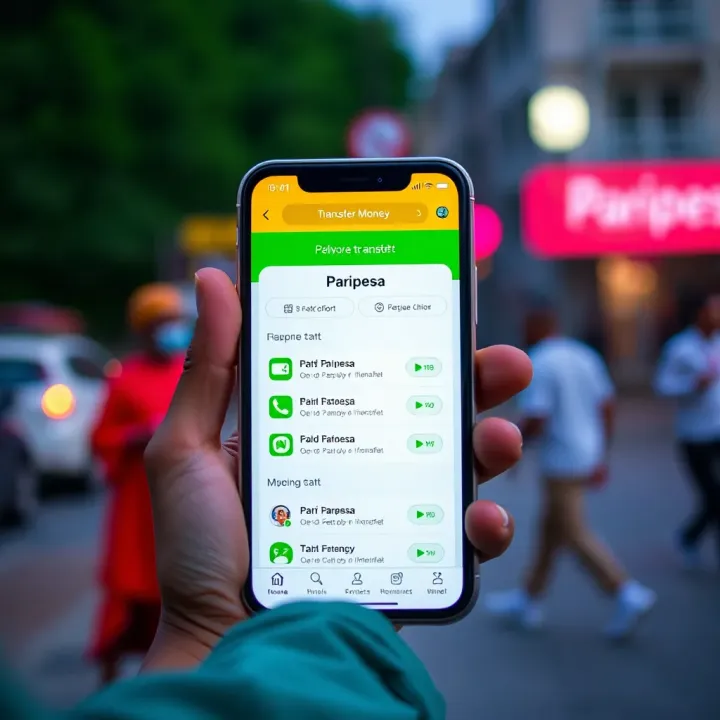
Learn how to send money easily between Paripesa accounts in Nigeria 🇳🇬. Follow simple steps, avoid fees, stay secure, and fix common issues fast 💰🔒
Based on 11 reviews