

How to Deposit Airtime on Paripesa in Nigeria
📱 Learn how to deposit airtime on Paripesa easily to fund your bets. Get tips on supported networks, limits, and alternatives for seamless play in Nigeria 🎲
Edited By
Bayo Akinola
For anyone dealing with Paripesa and Monnify in Nigeria, understanding deposit fees is crucial. These fees, charged when you fund your account or wallet, affect how much of your money gets to work on the platform. Though they may seem small, they can quietly chip away at your funds if you are not careful.
Paripesa, primarily known for its online gaming and betting services, and Monnify, a platform used for payment collections and fund transfers, both impose fees on deposits. These charges cover transaction processing, banking intermediaries, and sometimes the platform's own service costs. The price you pay varies depending on the payment method and the amount deposited.
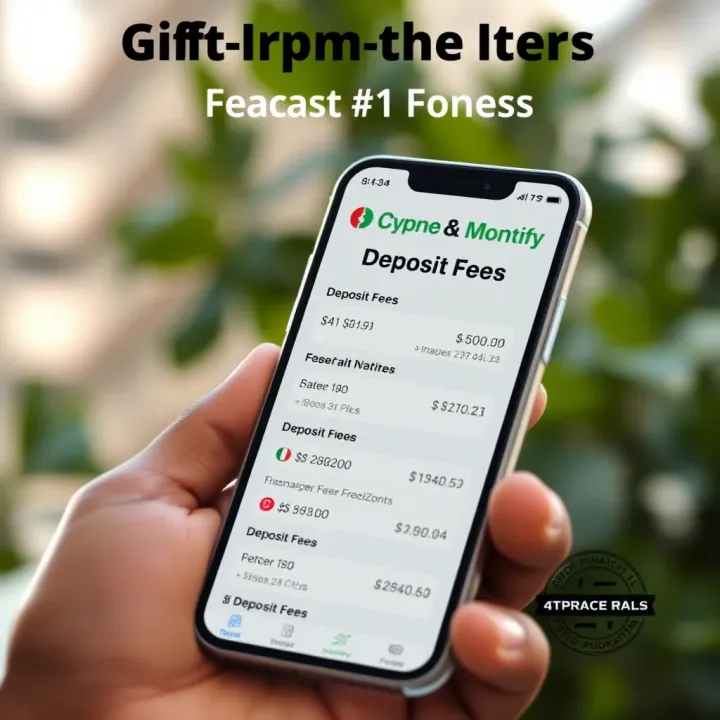
Deposit fees directly impact your net worth on these platforms — knowing when and how much will give you an edge in managing your finances better.
Both Paripesa and Monnify operate with integrated payment gateways linked to Nigerian banks and third-party providers. When you deposit:
Bank transfer: Often free or has minimal charges, but processing times may be longer.
Card payments: Usually attract higher fees, commonly 1.5% to 2.5% per transaction.
USSD codes or mobile wallets: These might incur small fixed fees or percentages depending on the service.
For example, if you wish to fund your Paripesa wallet with ₦10,000 via a debit card, you might pay about ₦200 as a deposit fee, leaving ₦9,800 worth of credit. Meanwhile, Monnify’s deposit fees might vary slightly based on the API usage and payment processor involved.
Several factors affect how much you pay in deposit fees:
Payment method used: Cards are pricier than bank transfers.
Amount deposited: Some platforms apply flat fees below certain thresholds but use percentage fees for larger sums.
Bank or payment provider policies: Different banks have varying charges on transaction services.
Promotional offers: Occasionally, fees may be waived for certain users or during special periods.
Knowing these factors helps you pick deposit options that trim costs.
Use bank transfers where possible, especially for larger amounts.
Be alert for platform announcements or promotions waiving fees.
Deposit in bulk rather than making multiple small deposits.
Check if your bank’s mobile app offers free transfers to these platforms.
Deposit fees might feel like a minor headache now, but they accumulate. Smart handling of your deposits can save you thousands of naira, particularly if you transact often. Next sections will explore how these fees affect your wallet and service quality in detail.
Understanding how deposit fees operate on Paripesa and Monnify is essential, especially if you regularly use these platforms for betting, payments, or business transactions in Nigeria. These fees can quietly eat into your funds if not properly accounted for. Knowing the fee structure helps you plan your deposits better, avoid surprises, and save money over time.
Paripesa, a popular sports betting platform, accepts deposits through various methods including bank transfers, USSD, and mobile wallets. Monnify, known as a fintech payment gateway, primarily facilitates bank transfers and integration with Nigerian banks through APIs for businesses and individuals. For both platforms, deposits are usually instant or near-instant once processed.
For example, if you want to deposit ₦5,000 into Paripesa using your bank's USSD service, you enter the amount, confirm the transaction, and the balance updates immediately on the betting platform. Monnify, on the other hand, might allow you to pay directly from your bank app or through partner apps, giving you a smooth deposit experience.
Knowing the flow of these deposits helps in selecting the cheapest and fastest channels.
Deposit fees on these platforms can be charged as a fixed amount or a percentage of the deposited sum. Fixed fees are simple: you pay a flat rate each time regardless of your deposit size. For example, Paripesa may charge a fixed fee of ₦50 per deposit transaction. It means whether you deposit ₦1,000 or ₦10,000, you pay just ₦50.
Percentage-based charges, however, depend on the amount you deposit. Monnify might charge 1.5% of your deposit amount. So, depositing ₦10,000 attracts a ₦150 fee, but depositing ₦50,000 will cost you ₦750. This model can hit your wallet harder with bigger deposits but stays low for smaller amounts.
Understanding which model applies is helpful. When the fee is a percentage, making fewer, larger deposits might be costlier. Conversely, fixed fees favour larger deposits because the fee stays the same whether you deposit small or big amounts.
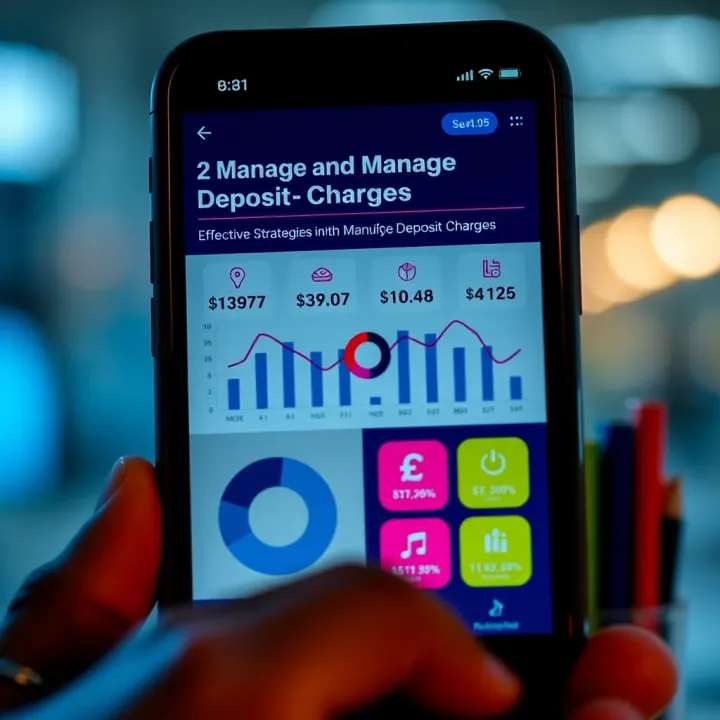
Sometimes, the platforms' fees do not tell the whole story. Your bank or the payment service handling the transfer may also add charges. These are separate from Paripesa’s or Monnify’s fees and depend on your bank’s tariff or the third-party provider, like a POS terminal or a mobile wallet service.
For instance, if your bank charges ₦20 for a USSD transaction, this adds on top of the Paripesa fixed fee or Monnify's percentage fee. Payment gateways integrated with Monnify might also levy charges for processing, particularly if you use cards or non-bank transfer methods.
Knowing this helps you choose the cheapest path. Sometimes, using a fintech app with zero transfer fees to fund your Monnify account can save you ₦100 or more compared to direct bank transfers.
By keeping these fee types in mind, you can navigate your deposit options better and avoid unnecessary deductions from your money when using Paripesa and Monnify.
Understanding the cost structure behind deposits is key when using platforms like Paripesa and Monnify. For most users — especially young professionals, IT specialists, and online gamblers who rely on swift, affordable transactions — knowing the fees upfront can save unnecessary expense and hassle. It’s not just about the nominal fee, but the impact it has on your overall fund management.
Paripesa usually implements a sliding fee scale depending on the deposit amount. For instance, deposits below ₦5,000 may attract a flat fee of ₦50 to ₦100. For amounts above ₦5,000, fees shift to a percentage basis, commonly around 1.5% of the deposit. Let’s say you deposit ₦20,000; you’d expect to pay about ₦300 as a fee.
What makes this notable is that smaller deposits tend to have proportionally higher fees in percentage terms. Moreover, depending on your bank, additional charges could apply if the deposit method involves third-party platforms like USSD or mobile apps. For example, some Nigerian banks might add ₦25 to ₦50 per transaction via their USSD codes.
Monnify offers a slightly different structure, with a focus on percentage-based fees across most deposits, averaging around 1% to 1.3%. Unlike Paripesa, Monnify rarely charges a fixed fee on smaller amounts, making it somewhat more wallet-friendly for low-value deposits. Suppose you deposit ₦10,000 via Monnify; you might pay about ₦130, which is less than Paripesa’s flat plus percentage mix for similar amounts.
However, Monnify users should watch out for indirect fees too. If payments are routed through partner banks or fintech platforms, fees may stack or vary, especially during peak times when transactions spike.
It’s a good idea to compare your typical deposit size against these fee models before committing. Big deposits mean straightforward percentage fees might be cheaper overall, but small, frequent payments on Paripesa could add up.
Given these nuances, your choice between Paripesa and Monnify should hinge on your deposit habits, payment methods, and tolerance for extra bank or platform-induced charges. Ultimately, transparency with these fees helps you keep your funds intact and avoid surprises during ember months or critical moments like online betting seasons or important business transactions.
Deposit fees on Paripesa and Monnify aren’t set in stone. Several factors come into play that can change how much users end up paying. Understanding these helps you avoid surprises, plan your deposits better, and save your hard-earned naira.
The payment channel you choose significantly impacts deposit fees. For example, using a bank transfer from Zenith Bank might attract a different charge compared to a debit card deposit. Some banks have partnerships or special arrangements that reduce fees for specific platforms. Suppose you use a fintech like Kuda or Opay; they often offer lower or zero deposit fees compared to traditional banks. Meanwhile, payment via Mastercard or Visa cards usually attracts a percentage-based fee, often higher than bank transfers.
Banks also vary in their own transaction charges. If a user deposits through a bank that imposes hefty interbank transfer fees, the overall cost rises. Monnify users might face platform fees plus their bank’s fees, making deposits costly unless they pick the right payment route. It’s wise to check your bank’s tariffs and look for recommended or partner banks to reduce charges.
The size of your deposit also influences fees but in different ways. Paripesa might charge a fixed fee per deposit, meaning whether you deposit ₦1,000 or ₦100,000, the fee remains the same. Conversely, Monnify often applies percentage-based fees, where a bigger deposit means paying more in absolute terms.
For example, a 1.5% fee on a ₦50,000 deposit costs ₦750, but on ₦10,000, it's ₦150. This system can encourage making fewer, larger deposits rather than many small ones. Still, fixed fees can be more expensive for smaller deposits since the percentage feels higher relative to the amount.
Keep in mind some platforms impose minimum or maximum amounts for free or discounted fees, so always check those limits to plan your deposits.
How often and when you deposit matters too. Frequent small deposits can rack up fees quickly, especially if each attracts a fixed charge. Suppose you deposit ₦5,000 daily for a week with a ₦100 fee per deposit; that’s a ₦700 hit overall. Making one ₦35,000 deposit reduces total fees significantly.
Time of day or week does not usually change fees on these platforms, but some banks or third-party services may have peak and off-peak charges, so it’s worth confirming.
Also, during ember months or busy festive seasons, some banks and platforms may adjust fees because of increased transaction volume. Users should watch for this and plan deposits accordingly.
Being strategic about your payment method, deposit size, and schedule can help you keep costs low. Check your chosen method’s fees carefully before making deposits on Paripesa or Monnify.
By being aware of these factors, you’re better equipped to manage your deposits efficiently and avoid unnecessary costs on these Nigerian platforms.
Reducing deposit fees on platforms like Paripesa and Monnify can save you quite a bit over time. Fee charges eat into your funds, especially if you're active often. Knowing how to avoid or cut these fees not only protects your ₦wallet but also keeps things smoother when you want to play or transact. This section highlights practical steps you can take to keep more of your money.
Not all payment channels are created equal when it comes to fees. Some banks or payment methods charge extra fees on top of the standard platform charges. For example, certain banks impose a flat ₦50 fee on USSD transactions while others waive such costs. To minimise fees, opt for channels known to have the lowest or no additional charges.
Mobile banking apps like GTBank's GTWorld often offer zero-fee transfers to linked platforms, making them a smarter choice. Similarly, Paystack and Flutterwave-powered payment methods integrated with Monnify sometimes come with no extra fees depending on the bank used. It pays to test small deposits via different options and see which is the cheapest before sending bigger amounts.
Instead of topping up in small amounts multiple times a day or week, consider making one larger deposit less often. Since deposit fees can be either fixed or a percentage, cumulative small transactions incur fees repeatedly and add up. For instance, a 1.5% fee on ₦1,000 ten times equals more than a single 1.5% fee on ₦10,000.
This approach demands discipline but results in a better cost-to-value ratio. Monitor your monthly spending needs and plan deposits accordingly. Many users who fund accounts larger during ember months or around festive periods avoid sneaky charges by scheduling deposits ahead.
Some banks partner directly with platforms like Paripesa or Monnify to reduce or eliminate fees for their customers. For example, Access Bank and Providus Bank have arrangements that sometimes allow zero-fee deposits via their apps or USSD codes. Likewise, fintech wallets such as OPay or Kuda occasionally offer free deposit services due to their low operational costs.
To benefit, check if your bank or preferred fintech platform has such partnerships. This information is usually available on official platform channels or apps. By sticking to these partner banks or approved fintech services, you avoid paying extra and speed up your transactions too.
Paying attention to your payment options and deposit patterns can drastically reduce fees. These small savings accumulate over time and improve your overall experience on Paripesa and Monnify.
Combining these strategies helps you keep more of your money where it belongs — in your hands — not lost to unnecessary fees.
When deciding between Paripesa and Monnify, it’s not just the deposit fees that count but also the quality of services they offer. Users need to weigh the cost against the benefits, especially since even a small fee can add up over multiple transactions. A platform with slightly higher charges might still prove better value if it guarantees faster deposits or better support.
The speed at which your deposit reflects can make a big difference, especially for online gamblers or professionals who need quick access to funds. Paripesa is known for near-instant deposits, which means you can start betting or trading immediately. Monnify, while generally reliable, sometimes shows minor delays during peak hours because of banking network congestion. For example, if you’re placing a bet on live football during a big game, a deposit delay of even a few minutes can disrupt your plans.
With reliability, it is crucial that deposits are processed without errors. Frequent failed transactions waste your time and may incur unnecessary fees. Both platforms tend to maintain high uptime, but users in Lagos and Abuja report Paripesa’s network handles high traffic periods better, thereby maintaining continuous service.
How platforms handle issues shapes user trust. Paripesa offers 24/7 chat support and quick responses via social media, which helps when urgent deposit discrepancies arise. Monnify uses a ticketing system that, while effective, sometimes lacks the real-time engagement users prefer. For instance, resolving a wrongly debited amount might take a day or two with Monnify, but Paripesa can often fix it within hours.
Efficient customer support reduces frustration and protects your money. So, even if fees are affordable, weak support can cost more in lost time and effort.
Users measure value not just by the fees but by the entire deposit experience. Paripesa’s interface is user-friendly, offering clear confirmation messages and transaction history that helps users track their payments. Monnify also provides these features but tends to be more technical, which might intimidate less tech-savvy users.
A few extra naira paid in fees might be worth it if the platform provides a smoother journey with fewer hitches. For example, a telecom agent funding multiple customers daily prefers a platform where deposits complete without glitches and customer queries get quick attention, even if it means paying slightly higher fees.
When managing your funds on Paripesa or Monnify, consider how fees match up with speed, reliability, and support. The cheapest option isn't always the best if it slows you down or leaves problems unresolved.
In summary, evaluating fees alongside service quality helps you avoid surprises and select the platform that fits your needs. For young professionals and online gamblers alike, a balance between cost and dependable service ensures your hard-earned ₦ goes further with less hassle.
📱 Learn how to deposit airtime on Paripesa easily to fund your bets. Get tips on supported networks, limits, and alternatives for seamless play in Nigeria 🎲

🎰 Discover how Nigerian players can enjoy Paripesa slots no deposit offers, claim bonuses easily, and boost winnings safely with practical tips for smart play in ₦. 🚀
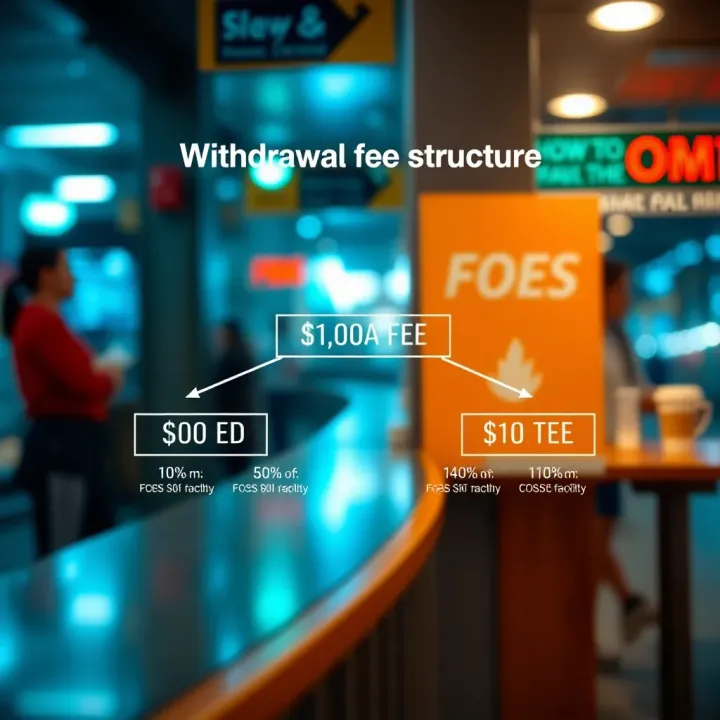
Learn how Paripesa and OPay withdrawal fees affect your ₦ earnings 🔍 Get tips to reduce costs and enjoy smooth fund withdrawals with Nigeria’s top platforms 💡
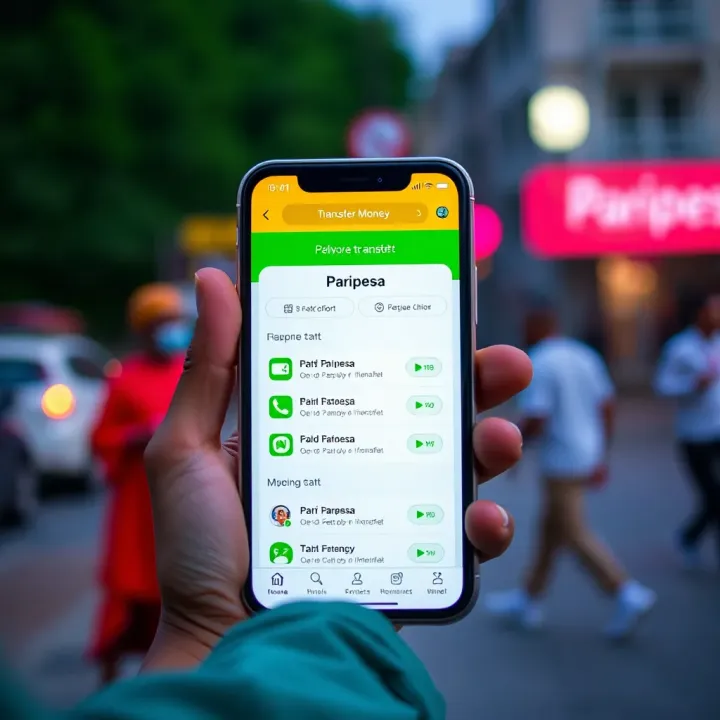
Learn how to send money easily between Paripesa accounts in Nigeria 🇳🇬. Follow simple steps, avoid fees, stay secure, and fix common issues fast 💰🔒
Based on 13 reviews