
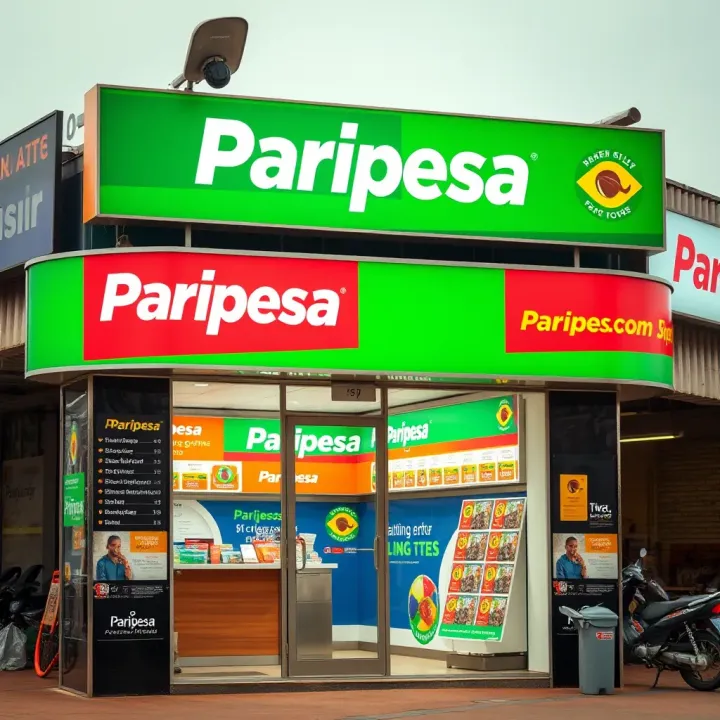
How to Set Up a Paripesa Betting Shop in Nigeria
Starting a Paripesa shop in Nigeria? Learn about licence requirements, operational tips, challenges, and how to make your betting business profitable. 🎲💼🇳🇬
Edited By
Zainab Musa
Starting a Paripesa shop in Nigeria can be a smart business choice if you understand the essentials before getting started. This guide covers the basics, from registration to daily running, helping you avoid common pitfalls.
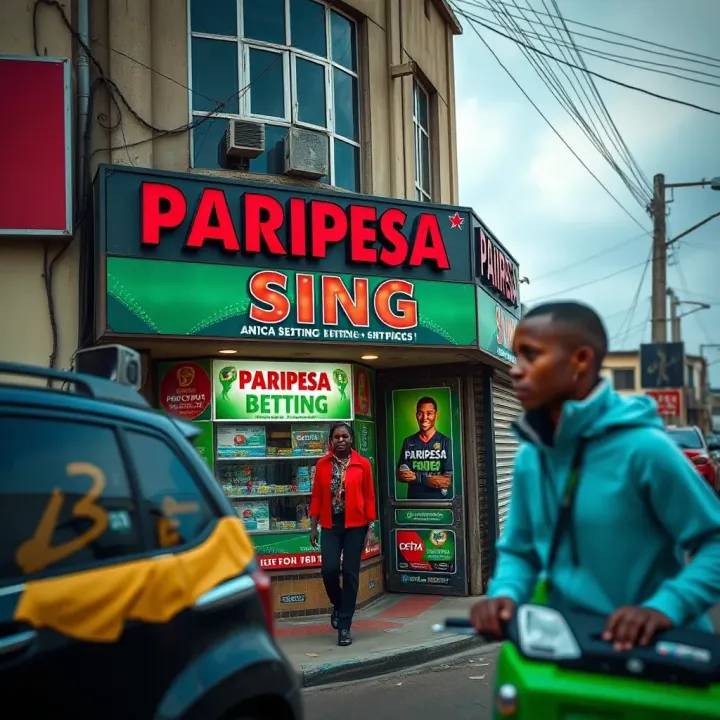
You must first register your Paripesa shop with the National Lottery Regulatory Commission (NLRC). This ensures your operation is fully legal and compliant. Registration involves submitting application forms, proof of identification, and payment of a licence fee, which typically ranges between ₦50,000 to ₦200,000 depending on location and shop size.
Having a valid licence shields you from fines and sudden government clampdowns, common for unregistered operators.
Location can either make or break your Paripesa business. Look for high-footfall areas like near markets, bus terminals (danfo parks), or busy streets where people naturally gather. Avoid overly crowded spots where competition may saturate the market unless your offering is uniquely appealing.
For example, a shop near a popular okada park or a busy mama put zone can attract steady customers during peak hours.
A functional Paripesa shop requires reliable equipment—computers with good internet, printers for receipts, and a secure cash drawer. Many operators now use digital platforms provided by the Paripesa company for quick bet placements.
Having a backup power source is key. Given frequent power outages in Nigeria, a good generator or solar inverter can keep your shop running smoothly and prevent revenue losses.
Well-trained staff can make your shop stand out. Train your employees on handling bets accurately and maintaining excellent customer relations. Friendly service encourages repeat business.
Also, ensure transparency with customers—use clear displays and update odds regularly to build trust.
Running a Paripesa shop is not just about taking bets; it’s about consistent service, legal compliance, and smart location choices that keep customers coming back.
Starting a Paripesa shop requires careful planning but can yield steady income if managed properly. Stay alert to regulatory updates from NLRC and economic changes that may influence betting habits, especially around major sports events or ember months.
Keep these key points front and centre as you set up your business, and you'll be on the path to running a profitable Paripesa shop.
Knowing how the Paripesa business model works is the foundation to running a successful shop. It helps you grasp what customers expect, how to generate steady income, and manage risks. Without a clear understanding, it’s easy to overlook important details like betting patterns, payout rules, or legal restrictions.
A Paripesa shop is a local betting outlet where customers place bets on various sporting events, lotteries, or other games of chance. These shops act as middlemen between punters and larger betting firms, handling ticket sales and payouts. Practically, it’s a small business that thrives on high volumes of daily bets.
Commonly, these shops operate in busy markets, malls, or near transport hubs like danfo parks and bus terminals because they attract steady foot traffic. Services range from simple football match bets to number games where customers pick winning numbers. Understanding this scope shows you the kind of services to offer and the customer base to target.
Most Paripesa shops focus on sports betting, particularly football, which Nigerians follow passionately. Besides the English Premier League and local NPFL matches, some shops offer quick-draw lotteries or jackpot games. These activities appeal to a broad demographic, including young professionals and traders.
Offering a variety of betting options keeps customers engaged and increases turnover. For example, if a punter loses on a football match bet, they might try a numbers game next, keeping money circulating in your shop.
The betting industry in Nigeria is sizeable and growing, buoyed by a youthful population and rising smartphone penetration. Paripesa shops meet demand from customers who prefer in-person betting or lack digital access. Given unreliable electricity and internet in some areas, physical shops offer a more trustworthy point of contact.
Moreover, the culture around betting—especially during league seasons or big events like the World Cup—fuels demand. Many people see betting as a side hustle, trying to earn quick ₦. This means a well-run shop in the right location can generate consistent daily income.
Paripesa involves placing wagers on outcomes, mainly sports events. Customers choose matches or numbers, stake an amount, and wait for results. You record their bets on official slips or electronic ticketing systems. It’s crucial to understand how to calculate odds and accept bets accurately.
For instance, a popular system lets customers combine bets (accumulators), increasing potential payouts but also risk. Knowing these variations helps you advise clients and manage your shop’s risk exposure.
Tickets represent customers’ bets and document stake, odds, and potential returns. Shops may use manual ticket books or POS devices connected to larger betting platforms. Correctly issuing tickets is key to avoiding disputes.
Odds reflect the event’s likelihood — lower odds mean higher chances but smaller profits for bettors; higher odds offer bigger rewards but rarely hit. You need basic maths skills to communicate odds clearly. For example, an event with odds of 2.5 means a ₦1,000 bet pays ₦2,500 including the stake if successful.
Paripesa shops earn commissions from total bets, often around 5–10%, while winning payouts come from the balance. You must manage cash flow to cover big wins without running out.
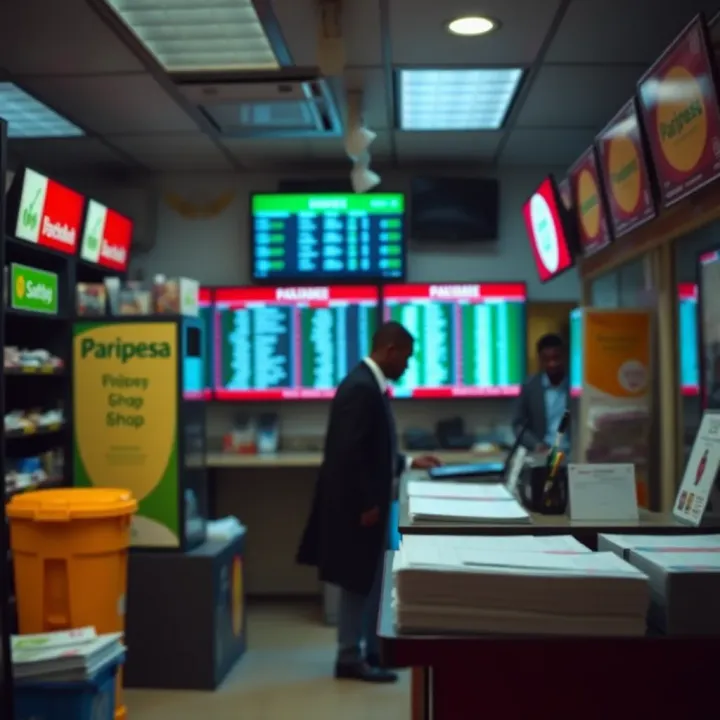
A practical example: If customers bet ₦100,000 total, and you earn 7% commission, that’s ₦7,000 revenue. The shop pays winners from the remaining ₦93,000. This model rewards accuracy and prompt payments to build trust.
Running your Paripesa shop well means balancing customer trust, clear odds, and proper record-keeping to ensure profitability over time.
Understanding this business model deeply ensures you prepare for the daily realities of the industry and position your shop to succeed amid competition and market changes.
Registering and licensing your Paripesa shop is not just about ticking bureaucratic boxes; it’s the foundation that keeps your betting business on the right side of the law. Without proper registration, you risk fines, closure, or worse – legal troubles that could derail your investment. A valid licence also boosts customer confidence, signalling that your shop operates legitimately, which matters a lot in Nigeria’s regulated betting sector.
Obtaining a betting licence is the first step. This licence grants you legal permission to operate as a betting outlet under Nigerian gambling laws. Most times, this involves applying through the National Lottery Regulatory Commission (NLRC) or state betting boards depending on your location. For example, a Paripesa operator in Lagos must comply with Lagos State Betting Law. Having this licence means you stay protected against closure and can access support and resources aimed at licensed operators.
Complying with state and federal laws means you must be familiar with both the Nigerian Criminal Code relating to gambling and your state’s specific regulations. Some states may impose additional requirements such as local government approvals or environmental health permit. Ignoring these can attract unnecessary penalties or forced closure. For instance, Oyo state has particular rules on where betting shops can operate, often restricting proximity to schools.
Dealing with regulatory authorities like NBET (National Betting and Lottery Regulatory Authority) and NLA (National Lottery Authority) requires regular communication and compliance checks. These bodies oversee the integrity of your business, monitor your financial transactions, and ensure responsible gambling practices. Keeping open lines with them means easier licence renewal and less hassle during audits or inspections, which happen severally in a year.
To get started, you will need necessary documents such as your company registration certificate, valid identification (like NIN), proof of business address, and tax clearance certificate. You may also need a detailed business plan showing how you intend to run the Paripesa shop. These documents prove you’re serious and comply with legal standards.
The cost of licence and renewals varies from state to state but expect to pay between ₦100,000 and ₦500,000 upfront. Some states charge additional levies during renewal to ensure funds for regulatory activities. Budgeting for these costs is crucial because operating without payment can result in fines. Additionally, factor in some legal fees if you hire a consultant to help navigate the paperwork.
Timeframe for approval typically ranges from two weeks to two months, depending on how quickly you submit documents and respond to queries. Delays often occur when submissions are incomplete or if your business location fails inspection. Planning ahead by starting the application process well before your intended launch day helps avoid costly downtime.
Getting your Paripesa shop registered and licensed protects your investment, builds trust with customers, and keeps your business running smoothly within Nigerian legal frameworks. Handling this properly from the start is the best way to avoid problems later.
Picking the right spot for your Paripesa shop is no overhyped business. It's the foundation that influences walk-in customers, sales volume, and overall success. Without a convenient, accessible site, even the best betting offers will struggle to attract regular punters. Setting up shop properly, with well-thought-out layout and equipment, creates a welcoming environment, builds trust, and ups customer retention.
High foot traffic areas
Areas bustling with people boost your chances of making frequent transactions. Busy streets in commercial hubs, near markets, motor parks, or office complexes are prime spots. For instance, locating close to a popular danfo stop or near a busy marketplace in Lagos like Balogun will catch casual bettors on their way to daily errands or work.
Choosing a place where customers often pass by ensures steady visibility and spontaneous visits. The key is to identify places where your typical clientele, including young professionals and traders, gather or commute.
Accessibility and security
Your shop must be easy to reach on foot or by public transport; poor accessibility drives customers away. Think about proximity to roads and available parking or keke napep stops. Customers also look for shops in safe locations; a spot near a police station or in a well-lit area of town provides peace of mind, especially during night betting hours.
High security lowers risks of theft or vandalism, protecting your cash and equipment. If you’re in a busy urban area with good security, you save on extra expenses like heavy-duty locks or frequent guard hires.
Competition analysis
Assess other Paripesa shops or betting points around potential locations. A spot with too many competitors might reduce your market share unless you’ve planned unique service offerings or bonuses.
However, being close to competitors can sometimes draw bigger crowds overall, turning the area into a betting hotspot. For example, in cities like Abuja, areas such as Wuse or Garki clusters attract most punters, so a shop there benefits from increased foot traffic despite the competition.
Setting up counters and seating
Design your counters for smooth flow to cut down waiting time during peak hours. A well-placed counter with space for tallying bets and cash handling creates efficiency. Seating for customers, even just a few plastic chairs, makes your shop more inviting and comfortable, especially for bettors who want to watch games or wait for results.
Small touches like an orderly queue system can prevent chaos when crowds swell, common during big football matches or lottery draws.
Minimal technology requirements
You don’t need flashy tech equipment to start. A reliable POS terminal for quick transactions, a basic computer or tablet for recording bets, and a good printer for issuing tickets are essential. Ensure steady power supply; many shops invest in small generators or UPS units to handle frequent NEPA outages.
Internet access is also necessary for real-time updates and syncing with central Paripesa systems. OPay or MTN internet bundles often serve well here, balancing cost and connectivity.
Signage and branding
Clear, visible signage attracts attention from afar and helps customers locate your shop easily. Use bold colours, preferably aligning with your Paripesa brand identity. Signs with the company logo, hours of operation, and key betting options inform passersby right away.
Brand consistency builds trust — a messy, faded sign might imply poor service or security. Illuminate signage at night to maintain visibility and promote your shop after dark.
Your location and initial shop setup play a major role in drawing in customers and sustaining daily operations. Thoughtful decisions here reduce hurdles later and set you on a good path for profitability.
In the end, balancing foot traffic, safety, competition, and shop ambience will create an attractive destination for bettors and increase your Paripesa shop’s chances of success.
Running your Paripesa shop smoothly every day is vital to sustaining profit and building trust with customers. Efficient management keeps operations crisp, reduces errors, and enhances customer experience, which often leads to repeat business in this competitive sector.
Issuing tickets accurately and recording bets meticulously are day-to-day necessities in a Paripesa shop. Each ticket must reflect the bet placed, including the type of game, stake, and odds. This reduces disputes and ensures clarity between your shop and the bettor. For example, a clear ticket issuance process helps when a customer wants to claim winnings; having all bet details recorded prevents confusion.
Staff should double-check tickets before handing them out to avoid mistakes. Many shops use simple ledgers or digital solutions for recording bets, depending on available technology. This record also aids in tracking popular bets and customer preferences, useful for stocktaking and improving service.
Cash handling sits at the core of daily operations. Dealing with large sums means you must maintain strict cash controls to avoid losses or theft. Use a dedicated cash register or secure box, and consider daily cash counts to confirm amounts.
Additionally, integrating electronic payment options like bank transfers or mobile wallets (e.g., Opay, PalmPay) can reduce reliance on cash and appeal to tech-savvy customers. This dual system provides flexibility and reduces cash handling risks, especially given frequent fluctuations in naira availability.
Peak periods—like just before popular football matches or during ember months—may bring large crowds. Managing these requires organised queuing systems and enough staff to serve customers quickly without errors.
You might allocate certain counters for quick bets or use ticket machines to speed up transactions. Security presence or CCTV can deter theft and keep crowd behaviour in check, ensuring safety for both staff and customers.
Sound bookkeeping is essential to monitor your shop’s financial health. Keep separate records for daily income, payouts, expenses (like rent, utilities, commissions), and any other costs.
Digital tools such as simple spreadsheets or accounting apps can simplify this process. For instance, tracking daily deposits and withdrawals helps you detect anomalies early and maintain accurate profit calculations.
Tracking sales daily is key to understanding business trends and cash flow. Set up a process—manual or digital—to record sales totals at close of business.
This data lets you compare performance day-to-day, identify peak betting times, and make informed decisions on staffing or operating hours. For example, if sales spike on weekends, you might extend opening hours accordingly.
Compliance with tax and regulatory bodies, like the Federal Inland Revenue Service (FIRS) and National Lottery Regulatory Commission (NLRC), is non-negotiable. Maintain up-to-date records and submit required reports on time to avoid penalties.
Keep copies of your licensing documents, tax payments, and daily transaction summaries. This documentation not only keeps your business legit but also builds credibility with customers and regulators alike.
Consistency in managing daily operations not only keeps your Paripesa shop running but also grows your reputation. Attention to detail in service and records separates serious entrepreneurs from the rest.
Running a Paripesa shop in Nigeria comes with its fair share of challenges, but overcoming these is essential for long-term success. Understanding common issues such as regulatory hurdles, security risks, and shifting competition helps shop owners plan better. Equally important are practical strategies to improve profitability, keep customers loyal, and adapt to changes in the betting industry.
Paripesa operators must navigate complex licensing requirements set by bodies like the Nigeria Lottery Regulatory Commission and state authorities. Keeping up with regulations means regular licence renewals, submitting accurate reports, and ensuring the shop operates within legal betting limits. Failure to comply can lead to fines or licence revocation, severely impacting business. For example, some operators falter in timely submission of revenue reports or mistakenly accept prohibited bets, drawing regulatory penalties.
Handling large daily cash volumes makes Paripesa shops vulnerable to theft, armed robbery, and fraud. Operators face threats not only from external criminals but sometimes internal fraud – employees manipulating records or issuing fake tickets. Installing CCTV cameras, training staff carefully to spot suspicious activity, and maintaining a secure cash storage system reduce these risks. Some operators have successfully defeated fraud attempts by introducing transparent transaction records and working closely with security agencies.
Online betting platforms such as Bet9ja, NairaBet, and SportyBet are gaining popularity because of the convenience they offer. This trend pulls customers away from physical shops, especially younger bettors comfortable with smartphones. To stay competitive, traditional Paripesa shops must enhance face-to-face customer experience and offer quick, reliable services. Ignoring this shift may cause declining foot traffic and revenue.
Building a steady clientele is key for profitability. Simple tactics like loyalty programmes, personalised service, and quick bet processing encourage customers to return. For instance, a Paripesa shop that remembers customers’ favourite betting markets or runs occasional small promotions often sees higher footfall. Creating a welcoming environment where customers feel valued also helps to stand out from competitors.
Expanding beyond ticket selling can increase income significantly. Many shops add services such as mobile phone recharge, bill payments, or even selling airtime and internet bundles. These extras turn the shop into a small service hub, encouraging more visits and boosting daily takings with minimal extra cost. Given the frequent NEPA (DISCO) outages, some shops even sell affordable power banks or offer phone charging.
The betting industry in Nigeria evolves quickly with new games, technology, and customer preferences. Successful Paripesa operators stay informed by subscribing to industry newsletters, joining relevant associations, and networking with suppliers and competitors. Staying sharp lets shops introduce new products early or adapt pricing and commission structures to improve market position. For example, integrating USSD-based betting or timely sports market updates can attract tech-savvy customers.
Running a Paripesa shop is tough but rewarding when you face challenges with smart, practical strategies like good customer service and product diversification. Staying compliant and secure builds trust, while adapting to online trends keeps you relevant.
Overall, understanding these aspects helps you run your Paripesa shop smoothly and profitably in Nigeria’s competitive betting market.
Starting a Paripesa shop in Nigeria? Learn about licence requirements, operational tips, challenges, and how to make your betting business profitable. 🎲💼🇳🇬
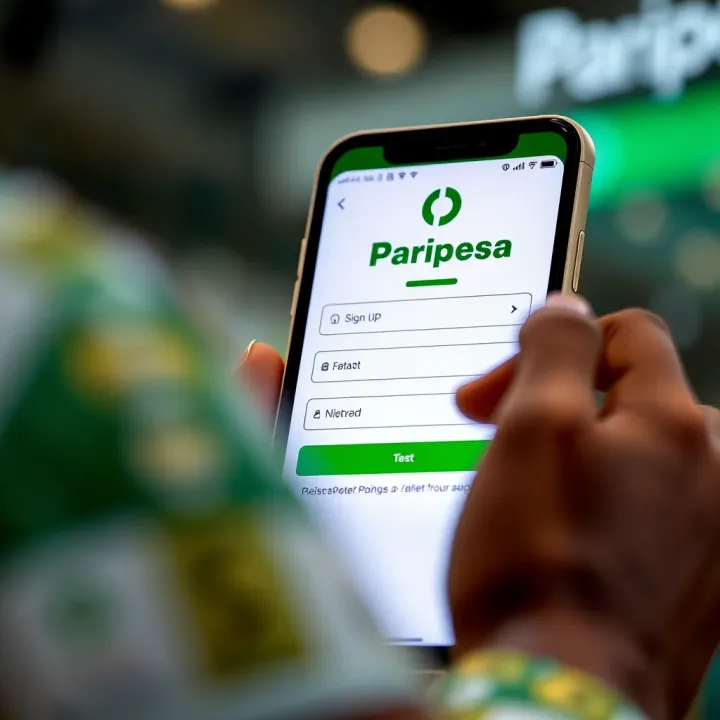
Learn how to sign up on Paripesa with easy steps 📲. Get verified, fund your account, and enjoy safe betting tailored for Nigerian bettors. ₦ ready? 🎯
🎯 Learn how to access and use Paripesa Shop in Nigeria with step-by-step guides on registration, login, navigating features, troubleshooting, and responsible betting tips.
📲 Learn how to register and verify your Shop Paripesa account in Nigeria. Explore betting tips, payment methods, and options to make smarter bets today! 🎯
Based on 12 reviews