

Paripesa Premier League Weekend Predictions
⚽ Get expert insights, team analysis, and top betting tips for this weekend's Paripesa Premier League matches. Spot key players and make smart decisions! 📊
Edited By
Adebola Kareem
Spanish football, particularly La Liga, remains a hotspot for talent, tactics, and intense competition. As we approach 2026, Paripesa’s insights shed light on what football fans, bettors, and analysts can expect from the league’s evolving dynamics. The focus here will be on team performances, new players likely to make waves, tactical changes, and how recent transfers and investments will shape the next seasons.
La Liga’s landscape is shifting rapidly with clubs like Real Madrid, Barcelona, and Atlético Madrid still carrying weight but facing fresh challenges. Paripesa’s predictions point to a more competitive top six rather than the usual predictability, driven by increased spending and strategic signings from emerging markets, including players from Africa and South America.

"Understanding team form and emerging talents is key for anyone interested in La Liga predictions, whether for casual following or informed betting decisions."
Team Form and Consistency: Recent seasons show mid-table clubs investing heavily to break into top positions. Clubs like Sevilla and Real Sociedad have strengthened their squads significantly, threatening the traditional big three.
Emerging Talents: Focus is on young players like Pedri, Anssumane Fati, and Gavi, who have already shown promise. Paripesa expects several next-generation stars to surface, forcing clubs to adapt their playing styles.
Tactical Trends: There’s a shift towards high pressing and flexible formations. Coaches increasingly employ data analytics to adjust strategies per opponent, making games less predictable and creating new opportunities for bettors.
Transfers and Investments: Substantial financial inflows have allowed clubs to snap up key players internationally. The influence of wealthy owners and sponsorships is clear in squad depth and quality.
Paripesa’s analysis merges these aspects to give a realistic outlook on La Liga’s competitive trajectory through 2026. Whether you follow for pure love of football or are keen to make informed wagers, these insights provide a practical framework to understand what lies ahead in Spanish football.
Understanding the current state of La Liga is vital for making sound predictions about the 2026 season. Factors like team form, financial stability, and youth development shape how clubs will perform in the coming years. These elements influence betting odds and fan expectations alike, giving a strong foundation for analysing trends.
Dominant clubs and shifts in power shape La Liga's competitive landscape. Real Madrid and Barcelona have traditionally led the pack, but recent seasons show Atletico Madrid and some emerging clubs challenging that dominance. This shifting balance suggests a more open race for the title by 2026, meaning bettors and fans should watch for surprise outcomes beyond the usual favourites.
Financial health and investment flows directly affect club strength. For instance, Real Madrid continues to attract high-value sponsorships and lucrative broadcast deals, while Barcelona has been managing debts but aims to regain financial stability. Meanwhile, clubs like Sevilla and Real Sociedad benefit from steady investments in infrastructure and smart transfers, giving them the means to disrupt big-team authority. Such financial trends heavily influence squad quality and transfer activity, key determinants for the upcoming seasons.
Impact of youth development on squad strength cannot be overlooked. La Masia and Real Madrid’s youth academies still produce notable talents who often break into first teams, shaping long-term competitiveness. Clubs like Villarreal and Athletic Bilbao also rely on homegrown players, which helps maintain squad depth and reduces overdependence on expensive signings. This focus on youth nurtures sustainability, a critical factor in predicting club performances and resilience against injuries or transfers.
Analysing historical data and current form allows Paripesa to identify patterns and predict outcomes with greater precision. For example, looking at team performances over past seasons helps assess consistency, home and away records, and reactions to key matches. This data-driven approach gives bettors a practical edge when evaluating odds.
Role of advanced metrics in prediction models further refines forecasts. Beyond simple statistics like goals scored, Paripesa considers expected goals (xG), pressing intensity, and player contribution indices. These metrics provide deeper insights into team strengths and weaknesses not obvious from traditional stats. Incorporating such data makes their predictions more robust and adaptable to changing variables.
Adjusting predictions for transfer windows and injuries is crucial for accuracy. Player transfers can dramatically alter team chemistry, while injuries to key players often pivot a club’s season trajectory. Paripesa accounts for this by integrating real-time updates on squad changes, ensuring predictions reflect the most current conditions. For betting enthusiasts, this means forecasts stay relevant even in volatile periods.
In summary, staying updated on La Liga’s evolving dynamics and leveraging sophisticated data models makes Paripesa’s 2026 predictions reliable tools for fans and bettors looking to navigate the Spanish football scene with confidence.
Understanding how top La Liga clubs are expected to perform in 2026 gives valuable insight into the shifting dynamics of Spanish football. For young professionals and bettors alike, these projections highlight which teams are likely contenders and where risks or opportunities might lie. This helps in making more informed predictions, whether for fantasy leagues, betting, or simply following the season closely.
Real Madrid retains its reputation as a dominant force, but changes in squad composition will shape their 2026 performance. Key experienced players like Karim Benzema may retire or step back, making room for younger talents promoted from their academy or acquired through smart transfers. Real Madrid’s financial muscle allows continual investment, but ageing stars mean they will rely heavily on integrating fresh energy to maintain their competitive edge.
For bettors, observing how Real Madrid blends veterans with newcomers could indicate their stability across the season. Clubs often stumble when transitioning squads; Real Madrid’s ability to manage this process will influence title chances and odds.
Barcelona has faced financial challenges recently, affecting player acquisition and wage structure. By 2026, the club aims to fully recover through strategic planning, focusing on youth development from La Masia and carefully targeted signings. Their tactical approach may become more pragmatic, prioritising balance over flamboyance, given lessons from past seasons.
This shift influences how fans and bettors view Barcelona’s prospects. A steadier, less flamboyant style might yield consistent points but fewer spectacular wins. Monitoring their financial reforms and coaching decisions can guide predictions and engagement.

Atletico Madrid traditionally thrives on defensive organisation and tactical discipline under Diego Simeone. By 2026, while this approach remains, the club will face challenges from ageing key players and increased competition from financially evolving clubs. Success depends on refreshing tactics and recruiting players who fit the disciplined system.
Recognising Atletico's strength in consistency helps bettors weigh their probability in tight matches. Their predictable style often yields stable outcomes rather than dramatic swings, informing betting strategies focused on draws or narrow wins.
Clubs like Real Sociedad and Villarreal have steadily increased investments in infrastructure and squad quality, catching the eye as future challengers. Their growing budgets allow them to attract decent talents who might prefer steady development over the glare of traditional powerhouses.
For the betting community, mid-tier clubs represent a calculated risk. They may upset bigger teams occasionally but lack depth to sustain a full season challenge. Still, spotting these moments can offer rich betting opportunities.
Every season, promoted clubs bring unpredictability. While survival is usually the goal, some clubs adapt quickly thanks to tactical discipline or standout players. Examples like Mallorca or Rayo Vallecano in recent years show that relegation pressure does not always translate to poor performance.
Careful attention to promoted teams' transfer activity and early season form can signal possible spoilers. This knowledge benefits fantasy league players aiming for differential picks and bettors hunting for value.
Smaller clubs often adopt dynamic styles to exploit gaps left by bigger clubs focusing on high-profile signings. Teams like Cadiz or Almeria can cause unexpected upsets by catching larger squads off-guard, especially during congested fixture periods.
These disruptors add spice to the league and must be factored into prediction models to avoid surprises. For bettors, understanding their peak performance times or key player availability is critical in assessing risk versus reward.
Keeping a close eye on how traditional giants evolve and how emerging sides grow provides sharper insights into La Liga’s 2026 scene. This balanced view helps fans and bettors spot real trends rather than rely on reputation alone.
Real Madrid’s squad turnover and investment underpin title defence hopes.
Barcelona’s financial restructuring shapes strategic gameplay.
Atletico’s tactical discipline balances ageing risks.
Mid-tier clubs' investments fuel surprising challenges.
Promoted and smaller clubs add unpredictability that can sway outcomes.
By focusing on these aspects, those engaged in betting or football analysis will better navigate the unfolding season and understand La Liga's shifting power dynamics.
Monitoring the key players and emerging talents in La Liga is essential for understanding how the league's competitive balance might shift by 2026. Established stars often serve as the backbone of their teams, providing experience and consistency, while up-and-coming players inject fresh energy, tactical versatility, and long-term potential. For fans, bettors, and analysts alike, recognising these individuals offers a tactical advantage when predicting outcomes or assessing betting markets.
Veteran players likely to maintain form remain fundamental to team stability. Players like Karim Benzema, who despite advancing age, continue to influence games at Real Madrid with clinical finishing and smart positioning, show that experience can often compensate for diminishing physicality. Similarly, players like Luka Modrić bring strategic brilliance and composure that younger squads rely on during high-pressure moments. Their ability to perform consistently affects both match outcomes and betting odds.
Influence of international stars in the league is another critical factor shaping La Liga's landscape. Players hailing from Africa, South America, and Europe often arrive bringing diverse playing styles. For example, Vinícius Júnior from Brazil has become a pivotal attacking force, capable of turning tight matches in favour of his club. The presence of international stars enhances competition quality and widens tactical approaches, which makes match results less predictable but more engaging for punters and fans.
Promising young talents from La Masia and Real Madrid’s academy often draw attention for their technical skills and adaptability. Pedri, a La Masia graduate, exemplifies this, showcasing maturity beyond his years. Such academy graduates usually understand the club’s ethos and tactical demands, easing their integration into senior squads. Their development impacts future team strategies and betting markets as they can become game changers.
Rising foreign prospects adapting to Spanish football add another exciting layer to the future fabric of La Liga. Players like Anssumane Fati, who steadily adapted after transferring young, highlight how foreign talents can grow within Spain's unique football culture. These players often bring different physical and tactical qualities, influencing how teams approach matches and offering alternative angles for prediction models.
Players to watch for transfer market impact involve those whose moves could reshape club fortunes. For instance, young talents linked with major transfers, such as those attracting interest from global clubs but still committed to La Liga teams, create speculation around squad depth and form stability. Bettors and fans should watch such players closely, as mid-season transfers or high-profile signings can shift momentum and betting odds drastically.
Keeping a close eye on both established stars and rising talents provides practical insights into potential shifts in La Liga’s power dynamics by 2026. These players not only influence the pitch but directly affect betting markets and fan expectations.
By understanding these categories of players, you gain a clearer picture of how Spanish football might evolve, helping you make smarter decisions whether for betting, analysis, or pure fandom.
Tactical and strategic changes will deeply influence La Liga’s competition in 2026. Coaches and clubs constantly adjust their approaches to stay ahead, balancing tradition with innovation. Understanding these shifts is essential for fans and bettors aiming to predict outcomes more accurately. Key developments like pressing intensity, quick transitions, and data-driven strategies will shape the way teams perform and interact on the pitch.
Many La Liga teams are moving towards high-intensity pressing styles paired with rapid counterattacks. Pressing forces opponents into mistakes, giving teams a chance to regain possession in dangerous areas. For example, clubs like Sevilla and Real Sociedad have shown successful bursts of speed right after winning the ball, turning defence quickly into attack. This approach demands exceptional fitness and coordination, and coaches now dedicate more training time to synchronising pressing triggers and transition moves.
This shift has practical effects on match tempo and player roles. Midfielders and forwards have to work harder defensively while being ready to exploit gaps immediately. When executed well, teams can overwhelm opponents who struggle to build play calmly, influencing betting strategies on match outcomes and goal timings.
Data analytics in La Liga goes beyond simple stats like goals and assists. Coaches increasingly rely on advanced metrics such as expected goals (xG), passing networks, and pressure zones to tailor tactics. Teams like Barcelona use video analysis combined with real-time data to identify weaknesses in opponents before matches, adjusting formations and pressing points accordingly.
Practically, this means matches become chess games where strategic moves are backed by numbers, not just intuition. Data helps optimise player positioning, substitution timings, and even psychological preparation. Fans and bettors can watch for these subtle shifts as signs of how a match might unfold, particularly when a team is set to exploit an opponent’s vulnerable area.
Clubs now employ wearable technology to monitor players’ physical metrics constantly. Devices track heart rates, distance covered, and muscle load during training and matches. Such data allows medical and coaching staff to manage workloads carefully, reducing injury risks while ensuring peak fitness for crucial fixtures.
In practical terms, this means players are less likely to burn out during the long La Liga season, leading to higher-quality performances and more consistent team results. For bettors, understanding which teams use these technologies effectively can be a useful edge when assessing squad readiness, especially during ember months when fatigue can spike.
Artificial intelligence is proving a game-changer in managing player health. AI systems analyse vast amounts of medical and movement data to predict injury risks before they materialise. Clubs like Real Madrid have started using AI-driven rehabilitation programmes customised for individual players, speeding up recovery times.
This technology also helps in tailoring training intensity and recovery protocols smartly. Players returning from injury can get back onto the field faster and with a lower chance of relapse. Such innovation not only enhances team competitiveness but also affects betting lines around player availability and match-day line-ups, giving well-informed punters a strategic advantage.
Tactical flexibility combined with technology-driven insights will be a defining feature of La Liga by 2026, impacting everything from gameplay style to betting markets.
Understanding these tactical and technological trends provides bettors and enthusiasts with sharper tools to predict how Spanish football will evolve. Staying informed about these factors can turn the odds in your favour whether analysing team form or placing stakes on match outcomes.
Paripesa’s predictions offer more than just a glance into La Liga’s future—they play an essential role in shaping betting strategies and fan involvement. Understanding how these forecasts influence decisions can improve betting outcomes and help fans engage deeper with Spanish football.
Predictive models are the backbone for setting betting odds. Paripesa mines historical data, current team forms, injuries, and transfers to estimate likely outcomes. This analytical approach offers bookmakers a more balanced risk profile, ensuring odds reflect realistic probabilities. For example, if Real Madrid’s injury list grows, the odds against them winning a match will adjust accordingly, reflecting increased uncertainty.
Balancing risk and opportunity in La Liga bets involves navigating unpredictability alongside data-driven insights. Bettors must weigh high odds against the chance of surprise results—like a promoted team defeating a giant. Paripesa’s forecasts help identify where the risks match the reward, such as focusing on mid-table clashes with narrow margins rather than more predictable heavyweight face-offs. This helps online gamblers, especially those using Nigerian platforms, make smarter stakes amid naira’s volatility.
Fans can leverage Paripesa’s predictions to enhance fantasy football leagues. By knowing which players and teams are forecasted to perform well, they can make informed picks that boost their chances of topping leaderboards. For instance, if a young talent from Barcelona is predicted to break out, fantasy managers can snap them up early before market prices rise.
Community discussion and social media engagement thrive on prediction insights. Platforms like Twitter and football forums buzz with debates when Paripesa releases updated forecasts. Fans trade opinions, share tips, and sometimes ‘call out’ expert predictions, keeping the discourse lively. This interaction not only deepens understanding but also builds camaraderie among football lovers, whether on Lagos danfos or at Abuja malls.
Reliable predictions foster smarter betting and richer fan experiences, anchoring La Liga’s excitement well into 2026 and beyond.
⚽ Get expert insights, team analysis, and top betting tips for this weekend's Paripesa Premier League matches. Spot key players and make smart decisions! 📊

⚽ Ready to win big on EPL with Paripesa? Learn sharp betting strategies, team analysis, stake management, and avoid common errors for better ₦ gains in 2026!
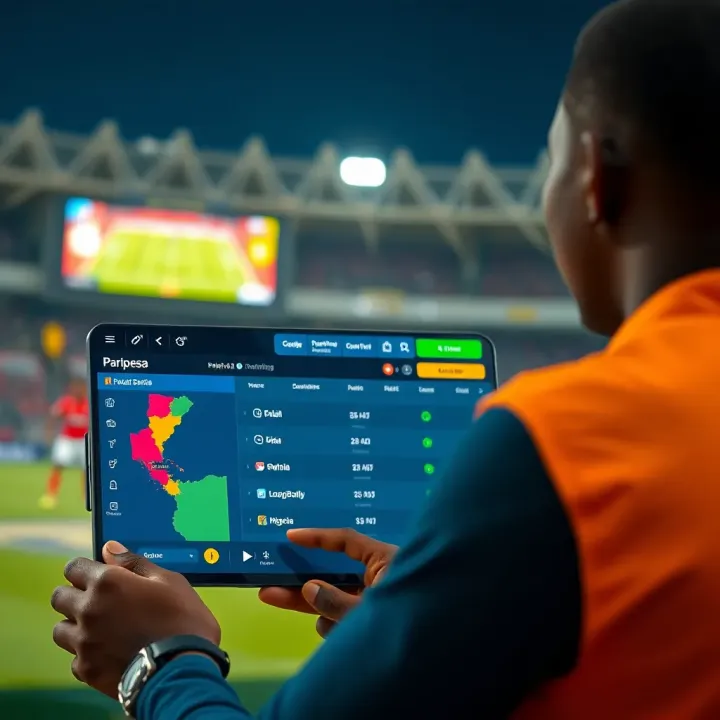
📺 Watch live football on Paripesa and place bets safely in Nigeria! Learn how to stream matches, explore betting choices, and bet responsibly for the best experience ⚽💰

Learn how to send money easily between Paripesa accounts in Nigeria 🇳🇬. Follow simple steps, avoid fees, stay secure, and fix common issues fast 💰🔒
Based on 6 reviews