
Understanding 'Home Team to Win to Nil' and Paripesa in Nigerian Betting
🔍 Learn what 'home team to win to nil' means and how Paripesa works in Nigerian betting. Get tips on reading bets and making smarter calls for ₦ wins! ⚽
Edited By
Claire Benson
Old Shop Paripesa is a traditional betting practice that has thrived in Nigerian communities for decades. Unlike modern sports betting platforms or digital lotteries, this grassroots system operates with local numbers, simple rules, and strong community involvement. It remains a popular pastime in many towns and urban neighbourhoods despite the rise of online gambling.
At its core, Old Shop Paripesa involves picking combinations of numbers, often drawn from everyday references like vehicle registration plates or market stall counts. Players place small stakes on selected combinations, hoping to win a share of the pool generated from the day's bets. Bookmakers—usually called "paripe men"—manage these bets from physical shops or kiosks, allowing direct interaction and trust-based transactions.
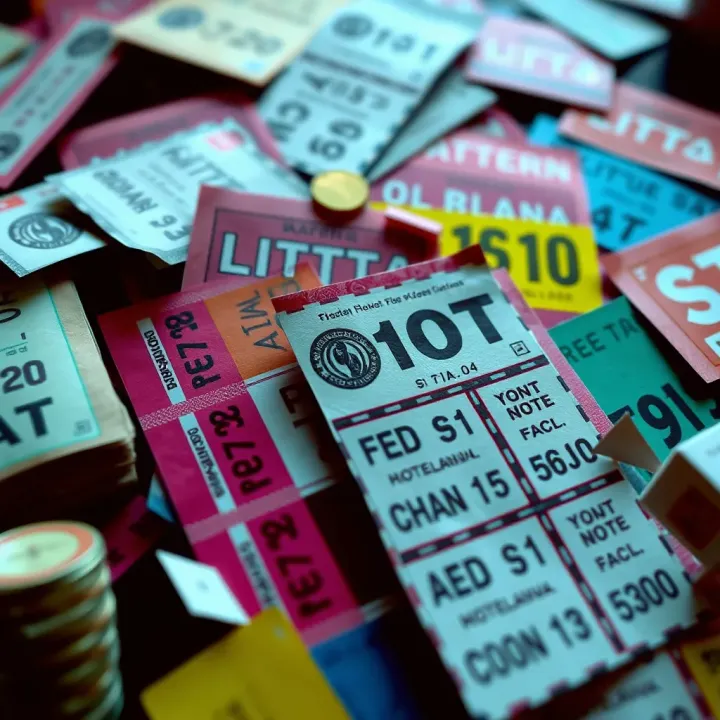
The process is straightforward yet deeply linked to local culture. For example, in some Southern states, specific numbers are tied to cultural symbols or lucky charms, adding a layer of belief and anticipation to the game. These numbers change regularly, with the paripe men encouraging players to interpret signs from community events or personal dreams.
Despite its informal nature, Old Shop Paripesa acts as an economic buffer for many Nigerian families, offering small but consistent earning opportunities both for players and operators.
However, the system faces challenges. With tighter regulation from agencies like the National Lottery Regulatory Commission and increased competition from fintech-powered betting apps such as Bet9ja or NairaBet, Old Shop Paripesa struggles to maintain relevance. Accessibility and transparency concerns also arise, as traders without formal oversight sometimes exploit players.
That said, its resilience lies in deep-rooted social connections and straightforward gameplay. Its continued existence reflects the Nigerian appetite for chance-based games that blend old customs with everyday life. Understanding Old Shop Paripesa helps clarify how traditional betting coexists and competes with the modern betting economy, offering insights valuable to professionals involved in finance, telecom, and digital innovation sectors.
In the next sections, we will unpack the history, operational details, cultural significance, and the implications for Nigeria’s evolving gambling landscape.
Understanding the origins of Old Shop Paripesa sheds light on its lasting influence within Nigerian communities. This form of informal betting is not just a pastime; it deeply reflects social dynamics and grassroots entrepreneurial spirit. By tracing its beginnings, you appreciate its role beyond mere gambling, extending to economic sustenance and cultural identity.
Informal betting in Nigeria dates back several decades, rooted in the simple act of wagering on sports or everyday events among friends and neighbours. Before the rise of formal betting companies, people placed bets through word of mouth and handwritten tickets. For instance, in Lagos and parts of the Southwest, groups casually bet on football matches, often using small shops or 'parlors' where the community gathered.
This spontaneous activity evolved into more organised systems, but remained largely unregulated. The betting stakes were usually small — sometimes just a few naira — making it accessible to many, including traders, artisans, and market women. This informal setup became a lifeline in times of tight finances, where a small win could help cover daily expenses or school fees.
As informal betting grew popular, dedicated shops began emerging in urban and semi-urban areas, particularly in Lagos, Ibadan, and Onitsha. These ‘Old Shop Paripesa’ establishments acted as hubs where bettors submitted stakes, recorded bets, and claimed winnings. Their operations were straightforward but effective, making use of manual ledger books and colourful betting slips.
The shops adapted to local tastes, often tailoring bet types around football scores, local lotto numbers, or popular events. Operators built trust through transparency and community engagement, since formal regulation was limited or non-existent. Over time, this tradition survived despite attempts by authorities to regulate gambling, proving its cultural resilience.
Today, even with the explosion of online betting platforms, Old Shop Paripesa remains relevant among a sizeable demographic, especially in less connected areas. Its history reveals a betting culture born from necessity and creativity, embedded in neighbourhoods where people see it as both entertainment and a modest source of income.
The story of Old Shop Paripesa is a testament to how grassroots practices shape broader economic and social behaviours, sustaining communities through shared traditions and practical opportunity.
This historical overview sets the stage for understanding how these shops operate and why they continue to matter in Nigeria’s evolving betting scene.
Understanding how Old Shop Paripesa operates is essential to grasping its role within Nigerian communities and the informal betting market. This traditional betting practice is straightforward yet deeply rooted in local customs, offering practical benefits to bettors and shopkeepers alike. Knowing its basic mechanisms and the types of bets available helps clarify why it remains popular despite the rise of digital alternatives.
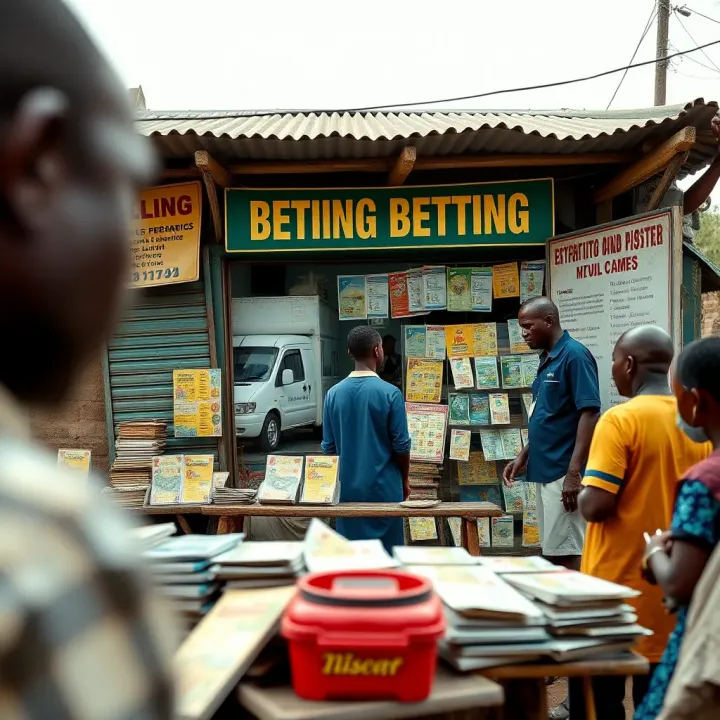
Old Shop Paripesa operates primarily through physical shops found in neighbourhoods, especially in busy marketplaces or near transport hubs. Players place their bets on a numbered grid, often laid out on a board or printed slip, managed manually by the operator. The process is simple: a bettor selects a number, stakes an amount—usually starting from ₦50 or ₦100—and hopes their number will be drawn in the daily lottery.
The draws typically happen every day or several times a week, with results announced in the shop or through word of mouth. Operators rely on ticket sales and the payout odds to generate profit, while bettors enjoy the chance to win multiples of their stake. Cash transactions dominate, but some shops now accept USSD payments or bank transfers, reflecting gradual adaptation to modern payment methods.
For example, a commuter at a busy Oshodi motor park might place ₦100 on the number 23, hoping it matches the draw announced later in the day. If successful, depending on the odds, they might receive ₦400 or ₦500, a good return on a small outlay.
The betting options at Old Shop Paripesa remain largely traditional but offer some variety to engage players. Common types include:
Single Number Bets: The most straightforward, where the player picks a single number between 1 and 100.
Combined Number Bets: Players select multiple numbers in one bet, increasing chances but raising stake costs.
Pair Bets: Betting on two numbers appearing together in the draw.
These bet types balance simplicity and excitement, catering to casual bettors and more regular punters. Compared to digital betting platforms offering complex betting markets, Old Shop Paripesa retains a humble but trusted appeal.
Despite its simplicity, Old Shop Paripesa offers real opportunities for community participation, quick returns, and hands-on betting experience, explaining its continued relevance even as Nigeria’s betting scene modernises.
This traditional system keeps betting accessible for many Nigerians who may lack smartphones or stable internet, offering a social gamble where neighbours gather and celebrate wins together. As you explore this topic, appreciating these basic operations provides a solid foundation for understanding the culture and business behind Old Shop Paripesa.
Paripesa shops hold a unique place in many Nigerian communities, serving not just as betting hubs but also social meeting points. In bustling areas where people gather—markets, motor parks, or near bus stops—these shops function as informal centres for discussion and bonding. For example, in Lagos, you often find groups of friends and strangers alike exchanging news while placing bets, creating a lively atmosphere that fosters conversation and camaraderie.
The shops also bridge generations. Elders share stories of past results and local anecdotes with younger bettors, helping to preserve and pass down cultural narratives linked to the game. Beyond entertainment, Paripesa shops help knit communities together, providing a familiar space to engage in shared experiences even as urbanisation shifts traditional social structures.
For many Nigerians, Paripesa is more than a pastime—it is an informal source of income. Young vendors or shop owners often depend on commissions from winning bets, which can be significant during popular sports seasons. In towns where formal jobs are scarce, Paripesa offers a flexible way to earn money without large upfront costs or specialised skills, unlike running an okada or barbing salon.
The entertainment value of Paripesa is also considerable. It gives bettors a sense of excitement and hope, especially during weekend football matches or major tournaments like the Africa Cup of Nations. Betting at old shops can turn a regular evening into a social event filled with friendly rivalry and anticipation. This blend of fun and financial opportunity makes Paripesa appealing to a broad range of Nigerians, from students to traders.
Paripesa shops illustrate how tradition adapts to contemporary needs by blending social interaction with entrepreneurship and entertainment.
The continued relevance of these shops in the Nigerian betting scene is a testament to their deep cultural roots and practicality. While digital platforms attract many young users, the tactile experience of betting at an old shop still holds significant value, particularly in communities where internet access or smartphone use is limited.
In summary, Paripesa shops are integral to community life, offering more than gambling—they provide social spaces, economic opportunities, and cultural continuity. Understanding this dual role helps clarify why old shop Paripesa remains a lively part of Nigeria’s vibrant betting culture.
Old Shop Paripesa, despite its deep roots in Nigerian communities, is facing significant hurdles in the current betting environment. These challenges affect its sustainability and relevance to younger, tech-savvy generations. Understanding the practical difficulties can help stakeholders find ways to support this traditional betting culture amid rapid changes.
One major challenge is the rise of digital and licensed betting platforms, which are quickly gaining ground among Nigerian bettors. Platforms like Betway Nigeria, NairaBET, and 1xBet offer online access, diverse betting markets, and convenience—features that old shops struggle to match. For example, while old shops are mostly local and cash-based, digital platforms allow users to place bets anytime via mobile apps or USSD, which suits busy professionals and youths.
In addition, licensed operators follow regulations that build trust with users, including fair play guarantees and payout security. Many customers now prefer these assurances over traditional shops, which lack formal oversight and sometimes face issues with delayed or withheld winnings. This shift has led to a decline in the patronage of old shops, especially in urban areas where internet penetration is higher.
Regulatory pressure also complicates operations for Old Shop Paripesa. The Nigerian government, through the National Lottery Regulatory Commission (NLRC) and occasionally the Nigerian Police Force, monitors gambling activities to ensure legal compliance and public safety. However, many old shops operate informally without proper licences or clear accountability.
This informal status exposes them to sudden raids or closure, disrupting business and affecting thousands who depend on the income. It also means these shops cannot benefit from legal protections or mainstream financial services, limiting their ability to innovate or expand.
The lack of clear legal recognition presents a dilemma. On one hand, tighter regulation could legitimise and protect old shops. On the other, stringent requirements—like heavy taxes or mandatory software upgrades—may push them out of business.
Maintaining a balance between safeguarding community interests and enforcing regulatory standards is vital for the survival of Old Shop Paripesa.
Finding solutions that address these issues—such as gradual formalisation, technology adoption tailored for local contexts, and community engagement—could help preserve this culturally significant betting form while aligning it with modern standards.
Together, competition and regulatory concerns set a complex stage for Old Shop Paripesa. Its future depends on how these challenges are met in ways that respect tradition yet embrace necessary evolution.
Old Shop Paripesa holds a special place in Nigerian communities, so understanding its future prospects is key to grasping the ongoing changes in Nigeria's betting culture. The traditional betting shops face stiff competition from digital platforms, yet there's room for blending the old with the new. This section explores how Old Shop Paripesa can adapt and thrive, ensuring it remains both relevant and true to its roots.
Bringing Old Shop Paripesa into the digital age could breathe new life into the practice. For example, some operators might introduce mobile apps or USSD codes that mirror the physical betting slip experience. This can help broaden the customer base beyond the immediate neighbourhood, reaching tech-savvy young professionals comfortable with their smartphones. Services like OPay and Paystack already dominate digital payments, so integrating seamless, secure payment options is vital for expanding access.
Another practical advantage of tech integration is record-keeping. Traditional shops often rely on manual methods that can lead to disputes or errors. Digital tools can track bets accurately, reduce fraud risk, and improve trust between the shop owner and bettors. In Lagos or Abuja, where power cuts can disrupt operations, mobile platforms provide a more reliable alternative.
However, this integration should not overlook the informal, personalised nature of the Old Shop Paripesa experience. Digital platforms must accommodate local betting habits, such as small wagers or communal betting pools, to maintain the cultural flavour.
On the flip side, preserving the traditional features of Old Shop Paripesa is just as critical. Many bettors enjoy the face-to-face interaction, the ambience of the local paripex spot, and the communal buzz—elements that apps and websites can’t fully replace. The practice is not only about gambling but also about social bonding and local entertainment.
Keeping these traditions alive means that even as shops adopt modern payments or digital record-keeping, they should maintain their physical presence and personal touch. For example, a shop in Onitsha that integrates mobile payments but still holds local weekend gatherings or live results announcements can keep community engagement high.
Moreover, educating community members about responsible betting and the risks involved helps sustain the culture positively. Old shops serve as more than just betting outlets; they can become centres for awareness, reducing the social harms linked to gambling.
As the betting culture evolves, Old Shop Paripesa faces a balancing act: embracing effective technology while safeguarding the social and cultural essence that has kept it popular across Nigeria for decades.
By merging practical tech tools with tradition, Old Shop Paripesa can continue to offer enjoyment and income, fitting comfortably into Nigeria’s diverse betting landscape for years to come.
🔍 Learn what 'home team to win to nil' means and how Paripesa works in Nigerian betting. Get tips on reading bets and making smarter calls for ₦ wins! ⚽
Discover Paripesa Liverpool ⚽, a top betting platform loved by Nigerian punters 🇳🇬. Bet on Liverpool matches, enjoy diverse options, safe play tips & legal insights 💡.
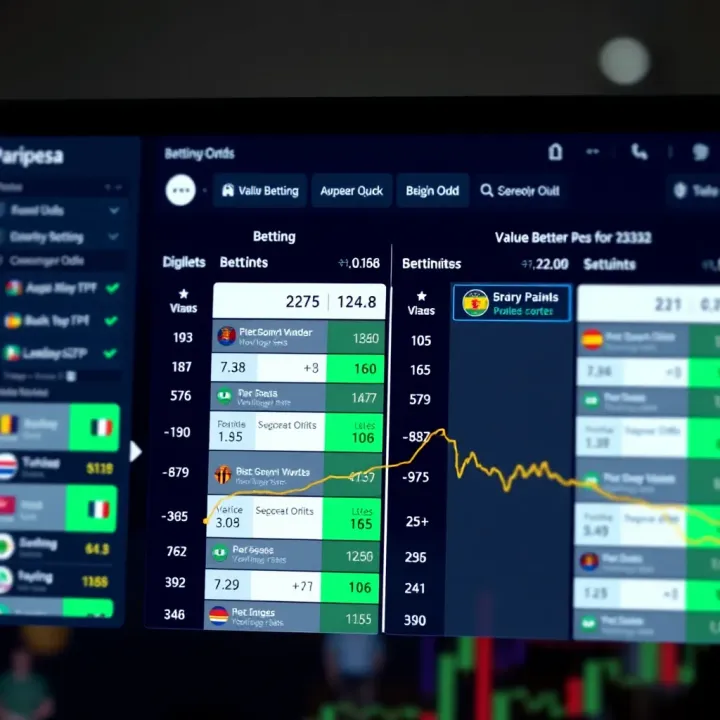
Discover how Paripesa value betting helps Nigerian bettors spot winning odds and increase profits 📈. Learn practical tips, strategies, and risk management for smarter bets.
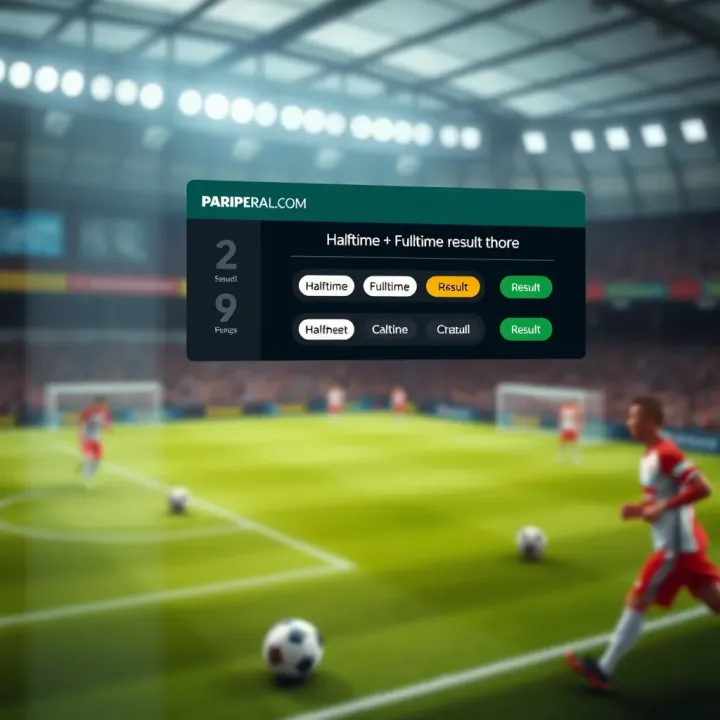
⚽ Discover how Paripesa halftime fulltime betting works and boost your chances with practical tips and strategies tailored for Nigerian football fans and punters.
Based on 5 reviews